Moringa vs Matcha: Nutrition, Taste, and Best Uses Compared
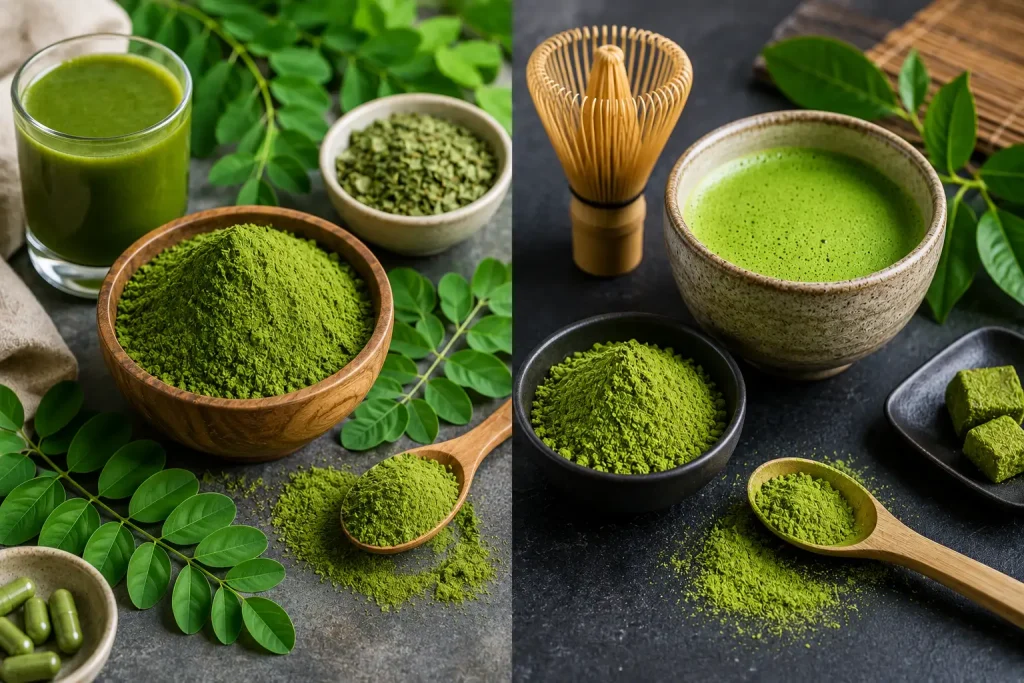
The moringa vs matcha comparison comes up constantly among people looking to add a green superfood powder to their daily routine. Both are intensely green, both are marketed as nutrient-dense, and both have passionate followings. But they are fundamentally different plants with different nutritional profiles, flavor experiences, caffeine content, and practical uses. Matcha is a powdered green tea with a centuries-long history in Japanese culture, beloved for its earthy, umami-forward taste and its reliable, gentle caffeine lift.
Moringa is a leaf powder from a tropical tree, caffeine-free, with a savory-green flavor profile that surprises most people the first time they try it. If you are trying to decide which one belongs in your kitchen, this guide will break down everything that matters.
What Is Matcha?
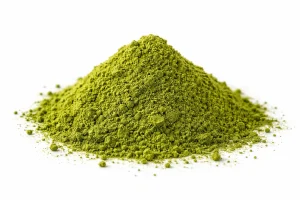
Matcha is finely ground powder made from specially grown and processed Camellia sinensis leaves, the same plant used to make green tea. The leaves are shade-grown for three to four weeks before harvest, which increases chlorophyll content and alters the amino acid profile. After harvest, the leaves are steamed, dried, and stone-ground into a fine powder.
The result is a powder that dissolves into liquid differently than most other powders. Traditional matcha is whisked into hot water or milk using a bamboo whisk, creating a frothy, fully emulsified drink. The flavor is distinctly grassy, vegetal, and slightly bitter, with a characteristic umami depth that makes it unlike any other tea experience.
Culinary-grade matcha is a slightly coarser, more intensely flavored version used in baked goods, smoothies, and savory applications where the nuance of ceremonial-grade matcha would be lost. Most people buying matcha for daily wellness use fall somewhere between the two grades.
What Is Moringa?
Moringa oleifera is a fast-growing tree native to parts of South Asia and Africa. Its leaves have been used for centuries in traditional food and wellness systems across regions where the tree grows naturally. The leaves are harvested, dried at low temperatures to preserve nutrients, and ground into a fine green powder.
Moringa powder has a flavor that surprises many newcomers. It is earthy and savory with a mild bitterness that some describe as similar to spirulina or wheatgrass, though without the intense marine quality of spirulina. It is not sweet, it is not particularly floral, it does not have the umami depth of matcha, and it blends more easily into savory applications than matcha does.
Moringa is also available as a cut and sifted leaf for brewing as a tea, which produces a milder flavor and is a gentler introduction to the plant for people who find the powder too strong at first.
Moringa vs Matcha: Nutritional Profile Compared
When people search moringa vs matcha, nutrition is usually the first real question. Both are concentrated plant foods, but they concentrate very different things.
Matcha is notable for its L-theanine content, an amino acid that modulates the stimulating effect of caffeine to produce what many people describe as a focused, calm alertness rather than a jittery energy spike. It also contains catechin antioxidants, particularly EGCG (epigallocatechin gallate), which has been the subject of considerable research. A standard serving of matcha contains roughly 70 milligrams of caffeine, though this varies by grade and preparation.
Moringa brings a different nutritional picture. The leaves contain a broad range of vitamins and minerals. Moringa powder is particularly noted for its iron content, its vitamin C levels (though some is lost in drying), calcium, and potassium. It also contains all nine essential amino acids, which is unusual for a plant food and has contributed to interest in moringa in plant-based nutrition circles.
Moringa contains zero caffeine, which is significant for people who are sensitive to stimulants or who want a green powder they can use in the evening without affecting sleep.
Flavor and Texture: What to Expect
Flavor is often the deciding factor in the moringa vs matcha question for people who will actually drink these powders daily.
Matcha has a flavor that most people find more approachable, especially when prepared with milk. A matcha latte made with oat or dairy milk and a touch of sweetener is genuinely pleasant for the majority of people, even those who do not enjoy traditional Japanese tea. The bitterness is present but softened by the fat and sweetness of the milk preparation.
Moringa is more of an acquired taste in beverage form. On its own with water, it reads strongly vegetal and earthy. It integrates better when blended with other strong flavors. Smoothies with banana, pineapple, or mango effectively absorb moringa’s flavor. It also works in savory applications like soups, curries, or grain bowls where its green, slightly bitter edge is an asset rather than something to mask.
Texture-wise, both powders dissolve with agitation. Matcha, being stone-ground, is extremely fine and emulsifies well when whisked. Moringa is also fine but behaves more like a typical plant powder, blending well in a blender but benefiting from a good whisk or frother in hot liquids.
Caffeine Content and Energy Effects
This is one of the clearest differentiators in the moringa vs matcha comparison. Matcha contains caffeine. Moringa does not.
For people who rely on a morning caffeine source, matcha provides a meaningful and well-studied form of that stimulus. The L-theanine present in matcha means many people experience a smoother, more sustained energy effect compared to coffee, with less of the crash or anxiety that some caffeine-sensitive individuals experience with espresso.
Moringa, being caffeine-free, does not provide that kind of acute energy lift. People who use moringa report more of a general sense of nourishment, something closer to the feeling of eating a deeply nutritious meal rather than a stimulant effect. It is not a coffee replacement in functional terms.
Some people use both: matcha in the morning for its energizing properties, and moringa blended into an afternoon smoothie or evening meal as a nutritional addition.
Best Uses in the Kitchen
Knowing where each powder works best helps you integrate whichever you choose without fighting against its flavor.
Matcha works well in: lattes with steamed milk, traditional whisked preparation with hot water, baked goods (cookies, muffins, pound cake), smoothies with vanilla or banana as a base, chia puddings, and ice cream.
Moringa works well in: tropical fruit smoothies, green juices, pasta dough (for color and nutrition), soups and broths stirred in at the end, hummus and dips, grain bowls, and energy balls made with dates and nuts.
The key with moringa in cooking is to add it late or raw. High heat degrades some of the nutrient content and can intensify the bitter edge. Stirring it into a finished soup rather than cooking it in from the start preserves both nutrition and flavor.
Price and Accessibility
Ceremonial-grade matcha from Japan can be expensive, sometimes significantly so. Culinary-grade matcha is more affordable and makes more practical sense for most daily users who are not performing a traditional tea ceremony.
Moringa powder, while not inexpensive, is generally accessible at a reasonable price point, particularly when purchased in bulk from a wholesale or bulk botanical supplier. Because you use smaller amounts per serving (typically one to two teaspoons versus matcha’s one to two grams), a pound of moringa can last a significant amount of time.
Both powders are available in the Hatton Naturals shop, where organic quality and bulk availability make incorporating either into your routine practical.
Which One Is Right for Your Routine?
The moringa vs matcha decision ultimately depends on your goals and preferences.
Choose matcha if you want a daily caffeine source with a more nuanced flavor experience than coffee, a long cultural history of preparation methods, and a flavor that is genuinely enjoyable in lattes and baked goods. If you are caffeine-sensitive, if you want to add broad-spectrum plant nutrition to your diet without stimulants, or if you are primarily blending your green powder into food rather than drinking it as a standalone beverage.
Choose both if your goals are complementary. They do not compete. They serve different purposes in a daily routine.
Safety and Considerations
Both moringa and matcha are well-tolerated by the majority of healthy adults when used in normal food amounts.
Matcha’s caffeine content is worth noting for people who are pregnant, breastfeeding, or sensitive to stimulants. Excessive caffeine from any source is not advisable during pregnancy, and matcha should be treated accordingly.
Moringa has been used traditionally as a food crop for generations in many cultures and is generally considered safe at culinary serving sizes. However, moringa root and very high concentrations of moringa extract have different traditional associations and are handled differently from the leaf powder. This guide refers specifically to leaf powder at typical culinary amounts.
If you take prescription medications, particularly blood thinners, thyroid medications, or diabetes medications, consult with a healthcare provider before adding any new botanical supplement to your daily routine. This applies to both moringa and matcha.
Frequently Asked Questions
Does moringa taste anything like matcha?
Not particularly. Both are green and slightly bitter, but matcha has a distinct umami quality and a more complex, layered flavor. Moringa is earthier and more straightforwardly vegetal. They are similar only in that neither tastes sweet on its own.
Can I mix moringa and matcha together?
Yes. Some people blend small amounts of both into a smoothie. The matcha contributes caffeine and flavor depth, while moringa adds nutritional breadth. Start with smaller amounts of each and adjust based on your taste preference.
Which has more protein, moringa or matcha?
Moringa powder contains more protein per gram than matcha and contains all nine essential amino acids. Matcha does contain amino acids, most notably L-theanine, but it is not a significant protein source by volume.
Is moringa a good coffee replacement?
Moringa does not contain caffeine, so it will not replace the stimulant effect of coffee. It is better thought of as a nutritional addition to a meal rather than a beverage that provides energy in the way coffee does. Matcha is a more direct coffee alternative for people trying to reduce their caffeine intake while maintaining some stimulant effect.
What grade of matcha should I buy for daily use?
Culinary-grade matcha is practical and cost-effective for daily smoothies, lattes, and baking. Ceremonial-grade is worth the investment if you plan to drink matcha traditionally whisked in water, where the flavor difference is most apparent.
How much moringa powder should I use per serving?
One to two teaspoons per serving is a common starting point. Some people work up to a tablespoon in smoothies. Because the flavor is strong, starting at the lower end allows you to gauge your taste preference before increasing the amount.
Can children consume moringa or matcha?
Moringa leaf powder has a long history as a food crop and is consumed by families in many cultures. Matcha contains caffeine and is generally not appropriate for young children. Always consult a pediatrician before introducing any supplemental botanical to a child’s diet.
Conclusion
The moringa vs matcha question does not have a single right answer. Matcha delivers a proven, enjoyable caffeine lift with a distinctive flavor that suits morning routines and baked goods. Moringa offers broad plant nutrition without any stimulants, fitting seamlessly into smoothies and savory meals. Explore both at Hatton Naturals and find the green powder that works best for your lifestyle.