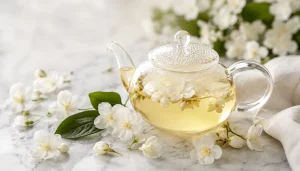
Milk Thistle Tea: How to Make It With Seeds or Herb
Milk thistle tea is a simple, earthy brew with a long history in European herbalism. You can make it from the seeds or from the dried aerial parts of the plant. Each option gives a slightly different cup. In this guide, you will learn how to prepare both versions and how to make the flavor more enjoyable.
In addition, you will find a comparison table, a warming blend recipe, tips for choosing and storing the herb and answers to common questions. So whether you start with seeds or leaves, you will know exactly what to do.
What Is Milk Thistle?
Milk thistle (Silybum marianum) is a tall, spiny plant with purple flowers. Its leaves have white veins, which gave rise to the old legend behind its name. The plant grows wild around the Mediterranean and is now cultivated in many regions.
Traditionally, herbalists have valued milk thistle seeds most. The seeds contain a group of compounds known as silymarin. Historically, the plant has been associated with liver support in folk practice. If you want to learn more about that background, read our overview of milk thistle benefits.
A Plant With a Long Story
According to European legend, the white streaks on the leaves came from drops of milk. For this reason, the plant earned names such as Marian thistle and Our Lady’s thistle. Greek and Roman writers mentioned it, too.
Later, medieval monks grew milk thistle in their gardens. Country cooks even ate the young leaves and flower heads like artichokes. Then, over the centuries, the seeds became the part most herbalists kept in their cupboards.
How Milk Thistle Is Grown and Harvested
Milk thistle is an annual or biennial plant. It loves sun, dry soil and warm summers. In fact, it often spreads on its own along roadsides and field edges.
Farmers harvest the leaves and stems while the plant is still green. Then they dry and cut them for tea. The seeds come later, once the purple flower heads turn brown and fluffy. Growers collect the heads, dry them and separate the seeds from the down. As a result, the two products come from different stages of the same plant.
Seeds vs Herb for Milk Thistle Tea
The seeds are hard and oily. Because of that, you need to crush them before brewing. Otherwise, very little flavor reaches the water. Our organic milk thistle seeds, whole work well when you grind them fresh.
The herb, in contrast, is easier to use. It steeps like any other leafy tea and gives a lighter, greener cup. Our organic milk thistle herb, cut and sifted is ready for brewing or blending.
The table below compares the two options side by side.
| Feature | Seeds | Herb |
|---|---|---|
| Preparation | Crush, then simmer | Steep like leaf tea |
| Amount per cup | 1 teaspoon, crushed | 1 to 2 teaspoons |
| Time | 10 to 15 minutes simmering | 5 to 10 minutes steeping |
| Flavor | Nutty, earthy, a little bitter | Mild, grassy, green |
| Best for | Rich, hearty cups and decoctions | Quick daily cups and blends |
How to Make Milk Thistle Tea
Both methods take only a few minutes of hands on work. However, the seeds need a simmer, while the herb only needs a steep.
How to Make Milk Thistle Tea With Seeds
- Crush 1 teaspoon of seeds in a mortar or a spice grinder.
- Add the crushed seeds to a small pot with 1 1/2 cups of water.
- Bring the water to a boil, then lower the heat.
- Simmer gently for 10 to 15 minutes.
- Strain through a fine mesh sieve and serve warm.
You start with extra water because some of it evaporates. As a result, you end up with about one full cup. Also, a fine sieve or a paper filter catches the small seed fragments.
How to Make Milk Thistle Tea With the Herb
- Place 1 to 2 teaspoons of dried herb in a teapot.
- Pour 8 ounces of just boiled water over it.
- Cover and steep for 5 to 10 minutes.
- Strain and enjoy.
Start with 5 minutes and taste. Then steep longer if you want a deeper, greener flavor.
What Does It Taste Like?
The seed version tastes nutty, earthy and a little bitter. The herb version is milder and more grassy. Neither one is strongly flavored, so blending helps a lot.
For a warm, rounded cup, add a slice of organic ginger root. For natural sweetness, try a pinch of organic licorice root. Many traditional blends also pair milk thistle with organic dandelion root and organic burdock root. Finally, a squeeze of lemon brightens any version.
Not sure which ingredient fits your cup? Take our quick perfect tea blend ingredient quiz.
Compared With Dandelion and Burdock Root
Milk thistle often shares a pot with dandelion and burdock. However, each one has its own character. Knowing the differences helps you balance a blend.
- Milk thistle seed: Nutty and oily, with a soft bitterness. It adds body more than strong flavor.
- Dandelion root: Earthy and pleasantly bitter. Roasted, it tastes almost like coffee.
- Burdock root: Sweet, earthy and mild, a bit like a root vegetable.
For this reason, many blenders use milk thistle tea as a smooth base. Then they add dandelion for depth and burdock for sweetness. Ginger and lemon finish the cup with brightness.
Blend Ideas to Try
- Roasted root blend: Equal parts crushed milk thistle seed, dandelion root and burdock root. It tastes deep and almost coffee like.
- Ginger lemon blend: 1 teaspoon crushed seed, 3 thin slices of ginger and a strip of lemon peel.
- Sweet green blend: 2 parts milk thistle herb and 1 part licorice root. In fact, a small amount of licorice goes a long way.
Recipe: Warming Milk Thistle Root Blend
This recipe makes two cups. It combines the seeds with roots that also need a simmer, so everything brews together.
- Crush 2 teaspoons of milk thistle seeds.
- Add them to a pot with 1 teaspoon of dandelion root, 1 teaspoon of burdock root and 3 cups of water.
- Bring to a boil, then lower the heat and cover the pot.
- Simmer gently for 15 minutes.
- Turn off the heat and add 1/2 teaspoon of licorice root and a few slices of ginger.
- Steep for 5 more minutes, then strain.
- Serve warm with lemon, or chill it and pour it over ice.
Store leftovers in the fridge and drink them within two days. Shake or stir the jar before pouring, because fine seed particles settle at the bottom.
Tips for a Better Cup
First, grind seeds just before use, since crushed seeds lose freshness quickly. Second, cover the pot or cup while steeping to keep the aroma in. Third, start with a small amount and adjust to taste. If you are new to blending, our tea blending for beginners guide is a helpful starting point.
- Do not skip the crushing step: Whole seeds give a pale, weak cup.
- Do not boil hard: A gentle simmer keeps the flavor smooth.
- Do not overdo licorice: It can easily overpower the blend.
Who Should Ask Before Drinking It
Milk thistle tea is a gentle, food like brew for most people. Still, a few groups should take extra care.
As with any herb, talk with your healthcare provider before use if you are pregnant, nursing, taking medication or allergic to plants in the daisy family. Licorice root also calls for caution, so ask your provider before using it often. In addition, if you have a medical condition or a planned surgery, check first. That way, your milk thistle tea habit fits safely with the rest of your routine.
How to Choose and Store Milk Thistle
Good milk thistle seeds look plump, glossy and speckled brown or black. They should smell mild and nutty, never rancid or stale. Meanwhile, good dried herb looks green to grayish green and smells clean.
Next, check for organic certification and a clear lot number.
Store whole seeds in an airtight jar in a cool, dark place. They usually keep well for one to two years. Ground seeds, however, go stale within a few weeks, so grind only what you need. Keep the cut herb sealed and away from light, heat and humidity.
Frequently Asked Questions About Milk Thistle Tea
Do I need to crush milk thistle seeds for tea?
Yes. Whole seeds have a hard coat that keeps most of their flavor locked inside. Crushing them right before brewing gives a much fuller cup.
Can I mix milk thistle seeds and herb in one tea?
Yes. Simmer the crushed seeds first for about 10 minutes. Then remove the pot from the heat, add the herb and steep for 5 more minutes.
How should I store milk thistle seeds?
Keep whole seeds in an airtight jar in a cool, dark place. Because they contain natural oils, they stay freshest when you grind only what you need.
Does milk thistle tea have caffeine?
No. Milk thistle is not related to the tea plant, so it is naturally caffeine free. You can enjoy it at any time of day.
Can I use a coffee grinder for the seeds?
Yes. A blade grinder works well. Pulse a few times for a coarse grind, then wipe the grinder to remove the oils.
Can I drink milk thistle tea cold?
Yes. Brew it as usual, let it cool and keep it in the fridge for up to two days. Lemon and a little honey taste especially good in the iced version.
Brew Your First Cup
Milk thistle tea is easy once you know the two methods. In fact, it takes only a mortar, a small pot and a strainer. Crush and simmer the seeds for a rich cup, or steep the herb for a quick, mild one. Then add ginger, lemon or roots to make it your own.
Ready to start? Choose our organic milk thistle seeds or herb, add a partner root or two, and put the kettle on today.