Herbs for Hormonal Balance: Natural Support for Women
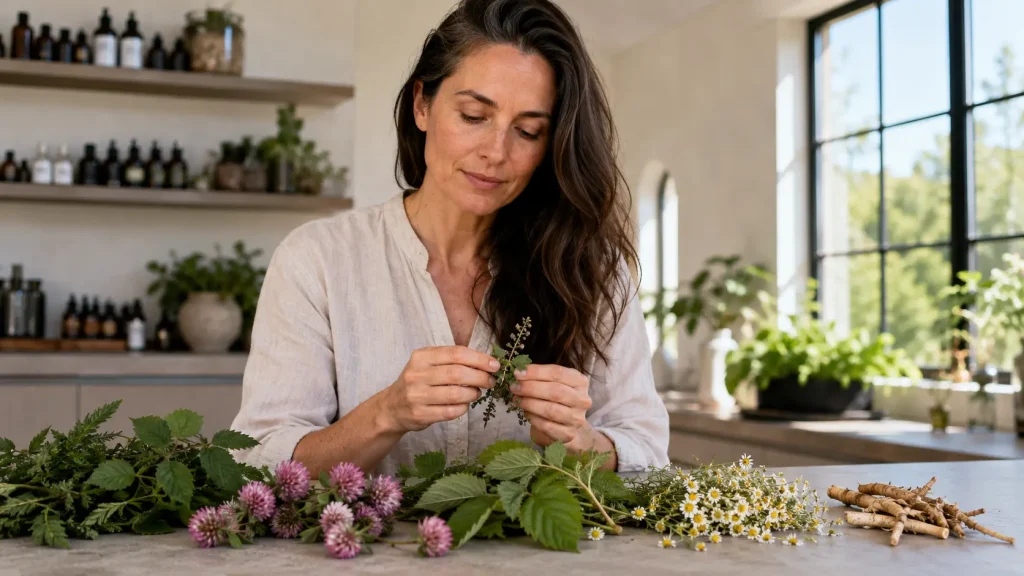
Herbs for hormonal balance have been part of women’s wellness traditions for thousands of years, long before modern medicine began to understand the intricate endocrine system. From ancient Ayurvedic practitioners to Native American healers and European herbalists, cultures around the world have turned to specific botanicals to support women through every stage of life. Today, a growing number of women are revisiting these traditional remedies as complementary tools alongside their conventional healthcare routines.
In this guide, we will explore several well-known herbs that herbalists have traditionally recommended for hormonal support. We will discuss how each herb has been used historically, share practical tips for incorporating them into your routine, and provide important safety considerations to keep in mind.
Understanding Hormonal Balance in Women
Before diving into specific herbs, it helps to understand what we mean by “hormonal balance.” The female endocrine system involves a complex interplay of hormones, including estrogen, progesterone, testosterone, cortisol, and thyroid hormones. These chemical messengers influence everything from mood and energy to sleep, digestion, and reproductive health.
Throughout a woman’s life, hormonal fluctuations are entirely normal. Puberty, menstrual cycles, pregnancy, postpartum recovery, perimenopause, and menopause all involve significant hormonal shifts. However, when hormones become consistently imbalanced due to stress, diet, environmental factors, or other causes, women may experience uncomfortable symptoms that affect daily quality of life.
Herbalists have traditionally approached hormonal support holistically, combining specific botanicals with lifestyle adjustments like stress management, proper nutrition, and adequate sleep. Herbs are not magic pills, but rather one piece of a larger wellness puzzle. With that perspective in mind, let us explore some of the most traditionally valued herbs for women’s hormonal health.
Black Cohosh: A Time-Honored Women’s Herb
Actaea racemosa, commonly known as black cohosh, is arguably one of the most well-known herbs associated with women’s hormonal health and balance. Native to the eastern forests of North America, this plant played an important role in Indigenous herbal traditions for centuries, and European herbalists adopted it as one of the most popular herbal remedies during the 19th century.
Herbalists have traditionally recommended black cohosh for supporting women during the menopausal transition. In particular, it has been used to address occasional hot flashes, night sweats, and mood fluctuations that commonly accompany perimenopause and menopause. Furthermore, some herbalists suggest it for occasional menstrual discomfort, although its reputation rests primarily on menopausal support.
You can find wild-harvested black cohosh in cut-and-sifted form, which is commonly prepared as a strong tea or decoction. To make a decoction, simmer 1 to 2 teaspoons in 2 cups of water for 15 to 20 minutes, strain, and drink in small portions throughout the day.
It is worth noting that black cohosh has a strong, somewhat bitter flavor. Consequently, many women prefer to blend it with more pleasant-tasting herbs to improve the overall drinking experience.
Wild Yam: Traditional Support for Women’s Comfort
Wild yam (Dioscorea villosa) has a fascinating place in both herbal and pharmaceutical history. This climbing vine, native to North America, contains a compound called diosgenin, which scientists in the mid-20th century used as a starting material for synthesizing hormones in the laboratory. However, it is important to understand that the human body does not convert diosgenin into hormones on its own.
Despite this distinction, herbalists have traditionally valued wild yam for its soothing properties and have recommended it as a supportive herb for women experiencing occasional menstrual cramping and discomfort. Additionally, it has been traditionally used by herbalists working with women during the menopausal transition.
You can prepare wild-harvested yam as a decoction by simmering the dried root in water for 15 to 20 minutes. Its relatively mild flavor, compared to some other herbal roots, makes it easier to incorporate into blends.
Ashwagandha: The Adaptogenic Powerhouse
Ashwagandha (Withania somnifera) stands among the most celebrated herbs in Ayurvedic medicine, where practitioners have used it for over 3,000 years. Herbalists classify ashwagandha as an adaptogen and traditionally use it to help the body manage stress more effectively. Because chronic stress commonly disrupts hormonal balance, ashwagandha has earned a prominent place in many herbalists’ recommendations for women’s wellness.
Traditionally, Ayurvedic practitioners have recommended ashwagandha for supporting overall vitality, promoting restful sleep, and helping the body adapt to physical and emotional stressors. For women specifically, herbalists often suggest it as part of a broader approach to hormonal wellness because of the well-established connection between stress hormones (particularly cortisol) and reproductive hormones.
Prepare ashwagandha cut and sifted as a decoction by simmering 1 to 2 teaspoons in water for 10 to 15 minutes. The root has a warm, slightly earthy flavor that blends well with warming spices like cinnamon and ginger. Some people also add ashwagandha to warm milk with honey for a traditional Ayurvedic preparation.
Damiana: A Traditional Tonic for Women
Damiana (Turnera diffusa) is a small, aromatic shrub native to Mexico, Central America, and the Caribbean. In traditional Mexican herbalism, damiana has been valued as a tonic herb, particularly for supporting women’s overall sense of well-being and vitality.
Herbalists have traditionally recommended damiana for mood support and as a gentle, uplifting herb that may help women feel more balanced during times of hormonal fluctuation. Moreover, it has historically been used as a mild nervine, meaning it has traditionally been associated with soothing the nervous system.
The flavor of wild-harvested damiana leaves is pleasant and slightly sweet with herbal, somewhat fig-like undertones. As a result, damiana tea is quite enjoyable on its own and also blends beautifully with other herbs. Try combining it with rose buds and petals for a fragrant, uplifting blend that feels indulgent.
Nettle Leaf: Nutritive Support for Hormonal Health
Stinging nettle (Urtica dioica) might not be the first herb that comes to mind when you think of herbs for hormonal balance, but herbalists have long considered it an essential foundational herb for women’s wellness. The reason is simple: nettle leaf is exceptionally nutrient-dense.
Nettle is naturally rich in iron, calcium, magnesium, and vitamins A, C, and K. These nutrients play important roles in supporting the body’s overall hormonal function. Iron, for example, is particularly important for menstruating women, while calcium and magnesium support numerous enzymatic processes throughout the body.
Herbalists often recommend nettle leaf as a daily nourishing infusion. To make a nourishing infusion, place 1 ounce (about 1 cup loosely packed) of dried nettle leaf in a quart jar, fill with boiling water, cover, and steep for 4 to 8 hours or overnight. Strain and drink throughout the day. This extended steeping time extracts significantly more minerals than a standard 5-minute tea.
The flavor of nettle infusion is earthy, green, and mildly grassy. Many women describe it as a “green” taste similar to spinach broth. Furthermore, nettle blends well with more flavorful herbs if you want to improve the taste.
Lemon Balm: Calming Hormonal Support
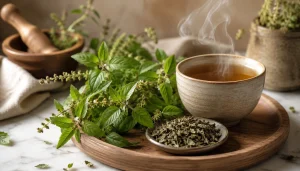
Lemon balm (Melissa officinalis) is a gentle, fragrant herb from the mint family that has been used in European herbal traditions for over 2,000 years. While it is perhaps best known as a calming herb, herbalists have traditionally valued it for its supportive role in women’s wellness as well.
Stress and anxiety can significantly disrupt hormonal balance, and lemon balm has been traditionally used to ease tension, promote relaxation, and support a more positive mood. By helping to manage the stress response, lemon balm indirectly supports a healthier hormonal environment. Additionally, some herbalists have traditionally associated lemon balm with thyroid support, although this use warrants careful professional guidance.
Lemon balm tea is delightful. It brews into a light, citrusy cup with a mild sweetness that most people enjoy immediately. Steep 1 to 2 teaspoons in hot water for 5 to 10 minutes for a simple, calming cup. It also makes an excellent base for hormone-supportive blends.
Building Your Own Hormone-Supportive Tea Blends
One of the most empowering aspects of working with loose herbs is the ability to create personalized blends tailored to your specific needs and taste preferences. Here are a few blend ideas that combine the herbs discussed above.
Daily nourishing blend: Combine nettle leaf, lemon balm, and rose buds in equal parts. This gentle, flavorful blend provides nutritive support and calming properties that are suitable for everyday use. Steep for 10 to 15 minutes for best results.
Menopausal comfort blend: Mix 2 parts lemon balm, 1 part black cohosh, and 1 part damiana. The lemon balm and damiana help soften the bitterness of black cohosh while adding their own supportive properties. Prepare as a decoction by simmering for 15 minutes.
Stress and balance blend: Combine ashwagandha root, lemon balm, and rose buds for a warming, fragrant blend that addresses the stress-hormone connection. Simmer the ashwagandha first for 10 minutes, then remove from heat, add the lemon balm and rose buds, and steep for 5 more minutes.
Visit the Hatton Naturals shop to stock up on all the individual herbs you need for these blends and your own custom creations.
Lifestyle Factors That Complement Herbal Support
Herbs work best as part of a holistic approach to hormonal wellness. To maximize the potential benefits of these botanicals, consider addressing these complementary lifestyle factors.
Stress management: Chronic stress is one of the biggest disruptors of hormonal balance. Practices like meditation, deep breathing, yoga, journaling, and spending time in nature can all help lower cortisol levels and support your body’s natural hormonal rhythm.
Nutrition: A diet rich in whole foods, healthy fats, quality protein, and abundant vegetables provides the raw materials your endocrine system needs to produce and regulate hormones. In particular, cruciferous vegetables, omega-3 fatty acids, and fiber-rich foods are traditionally associated with hormonal health.
Sleep: Hormones, especially cortisol and melatonin, are deeply tied to your sleep-wake cycle. Prioritizing 7 to 9 hours of quality sleep per night supports overall hormonal function. Therefore, consider incorporating calming herbal teas like lemon balm or damiana into your evening routine.
Movement: Regular, moderate exercise supports healthy hormone levels and helps manage stress. However, be mindful that excessive or overly intense exercise can actually disrupt hormonal balance, so finding the right balance for your body is important.
Safety Considerations and Disclaimer
While the herbs discussed in this article have long histories of traditional use, they are not without potential risks and contraindications. Black cohosh, wild yam, damiana, and ashwagandha are all potent botanicals that can interact with medications, particularly hormone therapies, birth control, thyroid medications, and blood pressure drugs. Do not use these herbs as a substitute for prescribed medications or professional medical advice. If you are pregnant, nursing, have a hormone-sensitive condition, or are taking any medications, consult your healthcare provider before using any of these herbs. Start with small amounts to assess your individual response, and discontinue use if you experience any adverse effects. This article is for informational purposes only and does not constitute medical advice. The statements in this article have not been evaluated by the Food and Drug Administration. These products are not intended to diagnose, treat, cure, or prevent any disease.
Frequently Asked Questions
What is the best herb for hormonal balance in women?
There is no single “best” herb because every woman’s hormonal situation is unique. However, herbalists frequently recommend ashwagandha for stress-related hormonal imbalance, black cohosh for menopausal support, and nettle leaf as a daily nutritive foundation. Working with a qualified herbalist can help you identify the most appropriate herbs for your individual needs.
How long does it take for herbs to affect hormonal balance?
Herbs generally work gently and gradually. Most herbalists recommend giving an herbal regimen at least 4 to 8 weeks of consistent use before evaluating results. Some women notice subtle shifts sooner, while others may need longer. Patience and consistency are key when working with botanicals.
Can I take multiple hormone-balancing herbs together?
Many herbalists create blends that combine multiple supportive herbs. However, it is important to research each herb’s safety profile and potential interactions. If you are new to herbal wellness, consider starting with one or two herbs before adding more. Additionally, consult a qualified herbalist or healthcare provider when combining multiple potent botanicals.
Are these herbs safe to take with birth control?
Some herbs, particularly those with phytoestrogenic properties like black cohosh, may theoretically interact with hormonal birth control. Always consult your prescribing physician before combining herbal remedies with birth control or any other hormonal medication. Do not rely solely on herbal information from the internet for decisions that affect your contraception.
Can I drink hormone-balancing herbal teas during pregnancy?
Healthcare providers generally do not recommend most of the herbs discussed in this article during pregnancy, including black cohosh, wild yam, damiana, and ashwagandha. Many herbalists consider nettle leaf and lemon balm gentler options, but you should still use them during pregnancy only with guidance from your healthcare provider or a qualified herbalist experienced in prenatal care.
What is the difference between an infusion and a decoction?
An infusion involves pouring hot water over herbs and steeping them, similar to making regular tea. This method works best for leaves, flowers, and other delicate plant parts. A decoction involves simmering herbs in water over low heat, which is better suited for tougher plant materials like roots and bark. Ashwagandha and black cohosh, for example, are best prepared as decoctions.
Is ashwagandha safe for women?
Ashwagandha has been used by women in Ayurvedic medicine for thousands of years. It is generally well-tolerated by most healthy adults when used in moderate amounts. However, it is not recommended during pregnancy, and women with thyroid conditions should consult their healthcare provider before using it, as ashwagandha may influence thyroid function.
Where can I buy quality herbs for hormonal balance?
Look for suppliers that offer organic or responsibly wild-harvested herbs with transparent sourcing practices. Quality indicators include proper packaging, clear labeling, and cut-and-sifted forms rather than heavily processed powders. You can find all of the herbs mentioned in this article at the Hatton Naturals shop, where each product is carefully sourced for quality and purity.