Clove Powder Organic: Use It Without Overpowering
The secret to clove powder organic is respect. Clove is the kind of spice that can make a mug feel like a candle-lit kitchen in winter, or it can bulldoze everything else into “only clove.” When you measure it with intention, though, it becomes a precise tool: a warm bass note that makes cacao taste darker, makes black tea taste rounder, and makes fruit-forward blends feel more complete. Tea makers love it because it’s efficient (no long simmering like whole roots), but that same efficiency is where people get into trouble.
In this how-to, you’ll learn how to dose clove powder organic so it reads as aromatic warmth instead of sharp bite. We’ll talk grams and teaspoons, steeping temperature, when to bloom it, and how to pair it with Cardamom Whole Green for a lift that keeps blends bright. You’ll also get production-minded tips (batching, sifting, settling) so the cup stays clean and the aroma stays where you want it: in the sip, not in the bottom of the jar.
Why clove powder feels “loud” (and how to make it behave)
Clove’s signature comes from volatile aromatic compounds that release quickly in hot water, especially when the clove is milled. Whole cloves release slower; powder releases fast, and it can cling to the tongue if overdosed. That’s why clove powder organic can seem “spicier” than whole clove even at the same weight.
To make it behave, think in layers:
Dose low and build (clove should be a background note).
Pair it with something that lifts the aroma (cardamom is perfect).
Control extraction time and agitation (powder extracts fast and can turn edgy if you push it).
Plan for sediment (powder wants to settle into the cup).
If you treat it like a finishing spice rather than a main ingredient, clove becomes elegant, not aggressive.
Measurement rules that prevent overpowering (tea-maker friendly)
Here’s a practical rule: start with clove at 0.2% to 0.6% of a dry blend by weight. In other words, for a 100 g blend, clove powder organic is usually 0.2 g to 0.6 g. For bold chai styles you can go higher, but if your goal is “warmth without takeover,” stay in that lane.
For single-cup brewing, a tiny pinch is often enough. A “pinch” sounds vague, so anchor it like this:
0.05 g to 0.12 g clove powder organic per 8–10 oz cup is a gentle aromatic warmth.
0.15 g to 0.25 g per cup is clearly clove-forward.
If you don’t have a micro-scale, keep your teaspoon honest: clove powder is dense and varies by grind, but a level 1/8 teaspoon is often already potent. When in doubt, halve it. Your palate will thank you.
Exact ratios (grams + teaspoons) for tea, concentrates, and syrup bases
This is the section where clove powder organic either becomes your friend or your lifelong enemy. Use these ratios as dependable starting points and adjust in tiny steps.
For a balanced spiced tea blend (makes about 20 servings):
Black tea base or rooibos base: 100 g
Ginger Root Powder: 6 g (about 2 tsp)
Cinnamon Powder: 8 g (about 3 tsp)
Cardamom Whole Green (lightly crushed): 4 g (about 2 tsp pods, crushed)
Clove powder organic: 0.5 g (about 1/4 tsp, then sift)
Brew guideline (per cup):
2.5 g blend (about 1 heaping tsp)
200 ml water at 95°C
4 minutes steep, then strain
For a clove-kissed herbal infusion (caffeine-free, softer profile):
Tulsi Leaves: 30 g
Chamomile Flowers: 25 g
Dried Apple Pieces: 35 g
Cardamom Whole Green: 3 g (crushed)
Clove powder organic: 0.3 g (about 1/8 tsp)
Brew guideline:
3 g blend per cup
90–95°C water
6–7 minutes steep, minimal stirring
For a tea concentrate (great for iced lattes, cafe batching):
Water: 1 liter
Assam or black tea: 20 g
Cinnamon Powder: 2 g (about 3/4 tsp)
Ginger Root Powder: 1.5 g (about 1/2 tsp)
Cardamom Whole Green: 2 g (crushed)
Clove powder organic: 0.25 g (about 1/8 tsp)
Process:
Bring water to 95°C, add spices first (off heat), stir 10 seconds.
Add tea, steep 6 minutes.
Strain through a fine mesh, then rest 5 minutes so fines settle.
Decant carefully, leaving the last cloudy ounce behind.
For syrup base (tea makers who also do beverages):
Sugar: 500 g
Water: 500 g
Cinnamon Powder: 2 g
Cardamom Whole Green: 1.5 g (crushed)
Clove powder organic: 0.2 g
Simmer 3 minutes, cover, rest 10 minutes, strain through fine mesh. Use 15–25 ml syrup per 8–12 oz drink. This approach keeps clove in the aroma rather than the throat.
Inside your next spiced blend, try lifting the top notes with Cardamom Whole Green so the warmth feels bright, not heavy.
Pairing clove with cardamom for “warm + airy” instead of “dark + sharp”
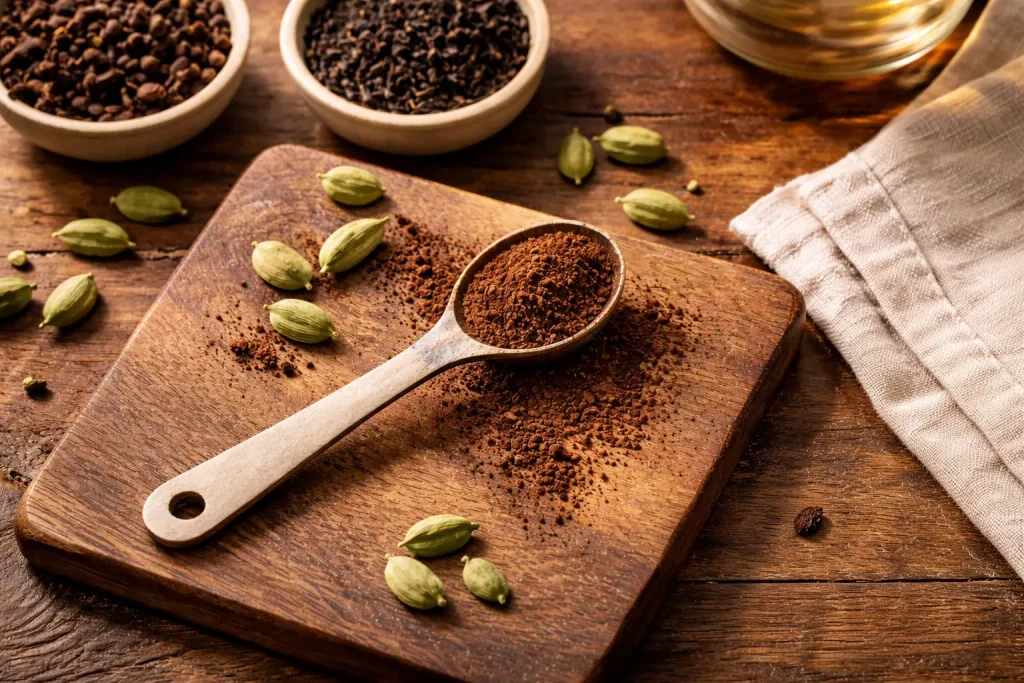
Cardamom is clove’s best manners. It brings citrusy, eucalyptus-like lift that prevents clove from reading as medicinal or overly woody. When you use Cardamom Whole Green, crack the pods lightly (don’t pulverize). You want aroma, not grit.
A simple pairing ratio for blends:
Cardamom:clove (by weight) = 6:1 to 12:1
So if you use 0.5 g clove powder organic in a 100–150 g batch, aim for 3–6 g cardamom. The cup will feel layered: clove warming the finish, cardamom sparkling at the front.
If you want a softer, bakery-like profile without citrus lift, balance clove with vanilla-like notes instead. A small amount of apple or chamomile makes clove feel round, like it belongs in food rather than medicine.
For a clean aromatic lift in chai-style blends, add Cardamom Whole Green and keep the clove dose conservative.
Brewing technique: temperatures, timing, agitation, and a “bloom” trick
 Because clove powder organic releases fast, technique matters as much as dosage. If you stir aggressively or steep too long, clove can become sharp. If you treat it gently, it becomes a background glow.
Temperature:
Black tea blends: 95°C
Herbal blends: 90–95°C (lower if delicate flowers dominate)
Timing:
3–4 minutes for black tea blends
6–8 minutes for herbal blends, with minimal agitation
Agitation:
Stir briefly at the start (10 seconds), then let it be.
Avoid repeated stirring. Powder keeps extracting and can turn edgy.
Bloom trick (especially useful in production):
Put your dry blend in the pot or French press.
Add just enough hot water to wet the blend (about 10–15% of final volume).
Stir 5–8 seconds, wait 20 seconds.
Add the remaining water and steep as normal.
This “bloom” hydrates powders and prevents clove dust from floating and clumping. You’ll get more even extraction and less harshness.
For a warmer backbone that plays well with spice, try Cinnamon Powder alongside clove, but keep the clove as the quiet note.
Production-minded details: blending, sifting, and keeping the cup clean
Tea makers run into the same problem with powders: they migrate to the bottom of the bag, then the first scoop is weak and the last scoop is a spice bomb. Clove powder organic is especially prone to this because it’s fine and heavy.
To keep blends consistent:
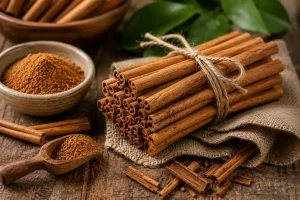
Pre-mix powders: combine clove powder organic with another powder (like cinnamon or ginger) first. This disperses it before it hits bigger leaf pieces.
Layer blending: add powders in stages, not all at once. Toss, rest 1 minute, toss again.
Sift strategically: if your clove is extremely fine, sift it lightly into the blend while mixing so it distributes instead of clumping.
Use a “carrier” ingredient: small cut apple pieces or rooibos can help powders cling evenly.
Also consider packaging:
If you sell loose tea, include brewing guidance that recommends a fine strainer.
If you do sachets, keep powder usage lower. Powders can slow infusion and create muddy notes inside paper filters.
For grounding spice and consistent blending, incorporate Ginger Root Powder as a natural carrier for clove.
Flavor-building recipes: 3 ways to use clove without dominating
“Quiet Chai” daily blend
This is a chai that doesn’t shout. It reads as warm, creamy, and balanced.
Base: black tea or rooibos
Spice: cinnamon + ginger
Lift: Cardamom Whole Green
Shadow: clove powder organic at 0.3–0.5% of blend
Add Cardamom Whole Green for aroma lift that keeps the finish clean.
Orchard Spice Herbal
This leans cozy without getting dark.
Base: chamomile + tulsi
Sweet note: apple
Spice: a whisper of clove powder organic
To soften clove’s edge, pair it with Dried Apple Pieces so the warmth feels baked, not sharp.
Cacao-leaning spice profile (without adding cocoa)
You can make a blend feel “chocolatey” using spice architecture:
Cinnamon for sweetness
Ginger for warmth
Clove powder organic for depth (tiny dose)
A floral like chamomile to round the aroma
To round the aroma and keep it gentle, blend in Chamomile Flowers with clove at very low levels.
Troubleshooting: flat flavor, too tart, over-carbonation, sediment, aroma loss
Flat flavor
If your blend tastes dull, you may be under-dosing aromatics or steeping too cool. Increase steep temp by 2–3°C, or add a touch more cardamom before touching the clove. If you must adjust clove powder organic, move in micro-steps (0.05 g per liter at a time).
Too tart
Clove itself doesn’t create tartness, but it can amplify perceived sharpness if your base has acidic ingredients (fruit pieces, certain botanicals) or if your brew is over-extracted. Shorten steep time by 30–60 seconds and reduce agitation. Add a sweeter spice like cinnamon to round it.
Over-carbonation (for tea-based sodas or kombucha-style flavoring)
If you’re using a spiced concentrate for fermentation, too much spice particulate can provide nucleation points and encourage aggressive bubbling. Filter more finely and dose flavoring lower. Keep bottles cooler during secondary fermentation and burp cautiously. Clove powder organic should be minimal in any ferment add-in because it’s potent and can become sharp as CO2 lifts aromas.
Sediment
Sediment is normal with powders. Reduce it by sifting powders into the blend, using a fine mesh strainer at brew time, and letting hot concentrate rest 5–10 minutes before decanting. If you’re bottling ready-to-drink tea, filter through a fine cloth or paper filter for a cleaner pour.
Aroma loss
Clove’s aromatics fade if exposed to air and heat. If the jar smells weak, it’s often storage, not the spice itself. Keep clove powder organic airtight, away from light, and don’t store it above the kettle or near a sunny window.
For a brighter aromatic profile when your spice feels flat, refresh the top note with Cardamom Whole Green rather than increasing clove too quickly.
Storage + Quality: keeping clove aromatic and sweet, not stale
Clove powder organic is a “freshness spice.” When it’s vibrant, it smells sweet, woody, and warm. When it’s stale, it smells dusty, flat, or faintly sharp without sweetness.
Best practices:
Airtight always. Treat it like coffee. Close the jar immediately after measuring.
Control humidity. Powders clump in moisture and lose aroma faster. If you work in a humid kitchen, keep the jar out only while measuring.
Cool, dark storage. Heat drives off aromatics; light degrades subtle top notes.
Color and scent cues. Fresh clove powder is deep brown and strongly aromatic. If color pales or scent feels thin, plan to use it in shorter-window applications (syrups, concentrates) rather than delicate teas.
Batching tip:
If you produce blends, store clove powder organic in a smaller “working jar” and keep the bulk sealed. That reduces how often your main supply meets oxygen.
For blends that will sit on shelves, pair clove with a stable aromatic like Cinnamon Powder to keep the profile pleasant even as top notes mellow.
Safety: compliant, practical, and respectful of potency
Clove is powerful. Herbalists often use it in tiny amounts for flavor and aroma, and many people enjoy it as part of traditional culinary and tea practices. Still, this is not medical advice, and it’s not meant to diagnose, treat, cure, or prevent any disease.
Practical safety notes for tea makers:
Use conservative doses. Clove powder organic is easy to overdo.
If someone is sensitive to strong spices, keep clove as a background note or offer a clove-free option.
For pregnancy, medications, or specific health concerns, encourage customers to consult a qualified professional before using concentrated herbal products.
Keep your labeling focused on taste, aroma, and traditional culinary use.
If you want “spiced” without intensity, lean on Tulsi Leaves for a warm herbal body and keep clove minimal.
FAQ
How much clove powder organic should I use per cup?
Start around 0.05–0.12 g per 8–10 oz cup (a tiny pinch). Increase slowly if you want it more pronounced.
Why does clove powder organic taste bitter sometimes?
Usually overdosing or over-steeping. Reduce dose, shorten steep time, and avoid heavy stirring.
Can I use clove powder organic in cold brew tea?
Yes, but use very little and strain well. Cold extraction can still pull strong aroma over time.
What’s the best pairing to keep clove balanced?
Cardamom Whole Green is ideal. Its lift keeps clove warm but not heavy.
How do I reduce sediment from clove powder organic?
Sift powders into blends, brew with minimal agitation, and strain through a fine mesh (or paper filter for bottled tea).
Can I add clove powder organic to syrup for lattes?
Yes. Keep it tiny (around 0.2 g per 1 liter syrup batch) and strain after resting.
How do I know if my clove powder organic is old?
The aroma will feel thin or dusty instead of sweet and warming. Color may look dull, and flavor becomes sharper without depth.
In the end, clove powder organic is best used like a finishing note, not the whole song. Measure with restraint, brew with gentle control, and let cardamom and supportive botanicals carry the brightness. When you do, your blends gain depth without losing clarity, and that warm clove glow sits in the background where it belongs.