Cleavers Herb: Traditional Uses for Lymphatic Health
Cleavers herb for lymphatic support has been a cornerstone of Western herbal tradition for hundreds of years. Known botanically as Galium aparine, this sprawling, sticky plant may not look impressive at first glance, but it has earned a reputation among herbalists as one of the most effective botanicals for supporting the body’s lymphatic system. From European folk medicine to modern herbal practice, cleavers remains one of the first herbs practitioners reach for when lymphatic wellness is the goal.
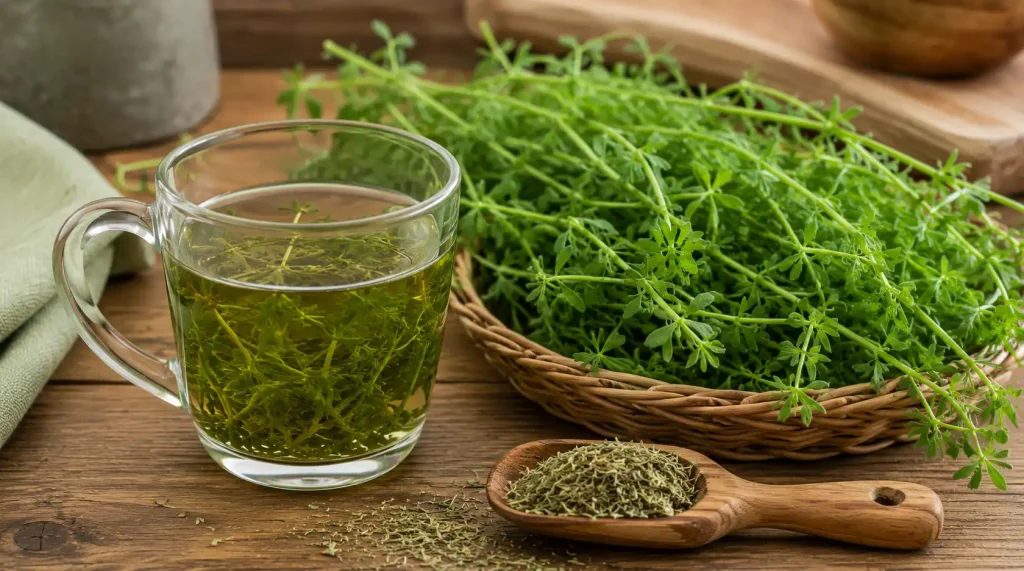
If you have ever walked through a meadow and found tiny green burrs clinging to your clothes or your dog’s fur, there is a good chance you have already encountered cleavers in the wild. The plant’s trademark “stickiness” comes from tiny hook-like hairs that cover its stems and leaves. While this clingy quality gives cleavers its name, it is the herb’s internal chemistry that has kept it in the herbalist’s toolkit for centuries.
Understanding the Lymphatic System
Before exploring how cleavers supports lymphatic health, it helps to understand what the lymphatic system actually does. Unlike the cardiovascular system, which has the heart to pump blood throughout the body, the lymphatic system relies on muscle movement, breathing, and body activity to circulate lymph fluid.
The lymphatic system serves several critical functions. It helps remove waste products and toxins from tissues, transports immune cells throughout the body, and maintains fluid balance. Think of it as your body’s drainage and filtration network — a system that works quietly in the background but plays a vital role in overall health.
When the lymphatic system becomes sluggish, you may notice symptoms such as puffiness, swollen lymph nodes, frequent illness, or a general sense of heaviness. Because the lymphatic system lacks its own pump, it depends on movement, hydration, and — according to traditional herbalism — certain botanicals to keep things flowing smoothly. This is precisely where cleavers enters the picture.
Why Herbalists Recommend Cleavers for Lymphatic Health
In traditional Western herbalism, cleavers is classified as a “lymphatic trophorestorative” — an herb that is believed to specifically nourish and restore healthy function to the lymphatic system. This is one of the highest designations an herb can receive for a particular body system, and it speaks to the depth of cleavers’ traditional reputation.
Herbalists have traditionally recommended cleavers herb for lymphatic support in several specific situations:
- Swollen lymph nodes: When lymph nodes in the neck, armpits, or groin area become enlarged, traditional herbalists often turn to cleavers as a primary remedy. The herb is traditionally believed to help reduce lymphatic congestion and support the body’s natural processes.
- Seasonal cleansing: In many folk traditions, cleavers tea was consumed as a spring tonic to help the body “reset” after winter. This seasonal cleansing practice remains popular among modern herbalists.
- Skin health: Because the lymphatic system plays a role in clearing waste from tissues, herbalists have long connected lymphatic health to skin clarity. Cleavers has been traditionally used for various skin concerns, including occasional breakouts and dry, irritated skin.
- Fluid retention: Cleavers has a gentle diuretic action that herbalists believe works in concert with its lymphatic properties to help the body manage fluid balance naturally.
The late herbalist David Hoffmann described cleavers as “perhaps the best tonic for the lymphatic system available,” a sentiment echoed by many contemporary practitioners who consider it an essential herb in their dispensaries.
Traditional Uses Beyond Lymphatic Support
While lymphatic support is the primary traditional use of cleavers, the herb has been valued for several additional applications throughout history. Understanding these broader uses provides a fuller picture of this versatile botanical.
Urinary tract support: Cleavers has been traditionally used as a mild diuretic and urinary tract tonic. Herbalists have recommended it to help soothe and support the urinary system, often combining it with other urinary herbs like corn silk or marshmallow root. Its gentle action has made it a popular choice for those seeking mild urinary support.
Skin wellness: As mentioned earlier, cleavers has a strong traditional connection to skin health. In folk medicine, the fresh juice of cleavers was applied topically to minor skin irritations, and the tea was consumed internally as part of a skin-clearing protocol. This dual approach — internal and external — reflects the holistic philosophy of traditional herbalism.
Cooling and soothing: Traditional herbalists classify cleavers as a cooling herb, making it particularly suited for conditions characterized by heat or inflammation. This energetic quality aligns with its traditional use during warmer months as a refreshing, cleansing tonic.
How to Prepare Cleavers Tea
Cleavers can be prepared in several ways, and interestingly, many traditional herbalists have strong preferences about the best method. Here are the most common approaches.
Cold infusion (traditionally preferred):
- Place 2 to 3 tablespoons of dried cleavers herb in a jar.
- Cover with cool or room-temperature water (about 16 ounces).
- Let it steep overnight, or for at least 4 to 8 hours.
- Strain and drink throughout the day.
Many herbalists prefer the cold infusion method for cleavers because they believe it better preserves certain delicate compounds that may be degraded by heat. The resulting tea has a mild, slightly grassy flavor that most people find easy to drink.
Hot infusion:
- Use 1 to 2 teaspoons of dried cleavers per 8 ounces of water.
- Pour just-boiled water over the herb.
- Steep for 10 to 15 minutes, covered.
- Strain and drink while warm.
The hot infusion produces a slightly stronger-tasting tea and is more convenient when you want a quick cup. While some herbalists debate whether hot water diminishes certain properties, a hot cleavers infusion remains a perfectly valid preparation method.
Blended lymphatic tea:
- 1 tablespoon cleavers
- 1 teaspoon nettle leaf
- 1 teaspoon dandelion root
- Prepare as a cold infusion overnight or steep in hot water for 15 minutes.
Complementary Herbs for Lymphatic Wellness
While cleavers is outstanding on its own, combining it with other supportive herbs can create a more comprehensive approach to lymphatic wellness. Several herbs pair particularly well with cleavers, and understanding these combinations can help you create effective custom blends.
Nettle leaf: Nettle leaf is a nutritive powerhouse that herbalists frequently combine with cleavers. Rich in minerals and traditionally used as a spring tonic, nettle complements cleavers’ lymphatic action with broad nutritional support. Together, they form one of the most classic spring cleansing combinations in Western herbalism.
Dandelion root: While cleavers focuses on the lymphatic system, dandelion root is traditionally associated with liver support. Because the lymphatic system and liver work together in the body’s detoxification processes, combining these two herbs creates a more holistic approach. Additionally, dandelion root adds a pleasant, slightly roasted flavor to tea blends.
Burdock root: Another classic cleansing herb, burdock root has been traditionally used as a blood purifier and skin-supporting herb. When combined with cleavers, burdock root provides complementary cleansing support and adds depth to the formula. This combination appears frequently in traditional formulas for skin health.
Echinacea: For situations involving swollen lymph nodes, some herbalists add echinacea root to a cleavers-based formula. Echinacea is well known for its traditional use in immune support, and its ability to support healthy lymph function makes it a natural companion to cleavers.
When and How to Use Cleavers
Traditional herbalists have specific recommendations for how and when to use cleavers for the best results. While practices vary among practitioners, some general guidelines have remained consistent across traditions.
Spring cleansing: The most traditional time to use cleavers is during spring. In European folk medicine, cleavers was one of the first herbs gathered as the weather warmed, and it was consumed as a daily tonic for 4 to 6 weeks. This practice was believed to help the body shed the heaviness of winter and prepare for the active months ahead.
Short-term intensive use: When addressing specific concerns like swollen lymph nodes, herbalists typically recommend drinking cleavers tea 2 to 3 times daily for a defined period, usually 2 to 4 weeks. This more intensive approach delivers a consistent dose of the herb’s beneficial compounds.
Ongoing maintenance: Some herbalists include cleavers as a regular component of their daily tea rotation, using it a few times per week on an ongoing basis. This gentler approach suits those who want to incorporate lymphatic support into their long-term wellness routine.
Regardless of the approach you choose, staying well hydrated while using cleavers is particularly important. Because the herb supports the movement of lymph and has mild diuretic properties, adequate water intake helps ensure these processes work optimally.
Lifestyle Practices With Cleavers Herb That Support Lymphatic Health
Herbal support works best when combined with lifestyle practices that promote healthy lymphatic flow. Because the lymphatic system lacks its own pump, physical movement is one of the most important things you can do for lymphatic wellness.
Regular exercise: Even moderate daily movement like walking, yoga, or swimming helps circulate lymph fluid throughout the body. Rebounding — bouncing gently on a mini trampoline — has gained particular popularity as a lymphatic exercise, though any form of regular movement is beneficial.
Dry brushing: This practice involves brushing the skin with a natural-bristle brush in long strokes directed toward the heart. Many wellness practitioners recommend dry brushing before showering as a way to stimulate both lymphatic flow and skin health.
Hydration: Lymph fluid is primarily composed of water, so adequate hydration is essential for proper lymphatic function. Drinking cleavers tea contributes to your daily fluid intake while simultaneously providing herbal support — a practical two-for-one benefit.
Deep breathing: The thoracic duct, the largest lymphatic vessel in the body, is directly affected by the movement of the diaphragm during breathing. Deep, diaphragmatic breathing helps create a pumping action that moves lymph fluid through this critical vessel. Even a few minutes of intentional deep breathing each day can make a difference.
Safety and Precautions
Cleavers is generally considered a very safe herb with a long history of food and medicinal use. In fact, the young shoots have been consumed as a vegetable in many cultures, and the roasted seeds were historically used as a coffee substitute. However, some precautions apply. Because cleavers has diuretic properties, individuals taking diuretic medications should consult their healthcare provider before use to avoid potential interactions. People with kidney conditions should also seek professional guidance. Pregnant and nursing women should consult a healthcare professional before using cleavers, as safety data for these populations is limited. As with all herbal information, this content is for educational purposes only and is not intended to diagnose, treat, cure, or prevent any disease. Always seek the advice of a qualified healthcare provider before beginning any herbal program.
Frequently Asked Questions
What does cleavers tea taste like?
Cleavers tea has a mild, slightly grassy, and somewhat green flavor. Most people find it pleasant and easy to drink, especially compared to more bitter herbs. The cold infusion method tends to produce an even milder, more refreshing taste that works well as an everyday beverage.
How long does it take for cleavers to show effects?
Traditional herbalists typically recommend using cleavers consistently for at least 2 to 4 weeks before expecting to notice changes. As with most tonic herbs, cleavers works gently and cumulatively rather than producing immediate, dramatic effects. Patience and consistency are key.
Can I use cleavers if I am taking prescription medications?
Because cleavers has mild diuretic properties, it may interact with diuretic medications and certain blood pressure medications. If you are taking any prescription medications, consult your healthcare provider before adding cleavers to your routine. It is always better to err on the side of caution with herb-drug interactions.
Is cold infusion really better than hot tea for cleavers?
Many traditional herbalists prefer cold infusions for cleavers, believing this method better preserves certain heat-sensitive compounds. However, hot infusions are also widely used and considered effective. If you are new to cleavers, try both methods and see which you prefer in terms of taste and convenience.
Can I combine cleavers with other lymphatic herbs?
Yes, and many herbalists recommend doing so. Cleavers blends well with nettle leaf, dandelion root, burdock root, and echinacea. Combining herbs allows you to address multiple aspects of wellness simultaneously and create more complex, enjoyable tea blends.
How much cleavers tea should I drink per day?
Most herbalists recommend 2 to 3 cups of cleavers tea per day during active use. If you are using the cold infusion method, you might prepare a larger batch (16 to 24 ounces) and sip it throughout the day. As always, start with a smaller amount to see how your body responds.
Is cleavers the same as “goosegrass” or “sticky weed”?
Yes. Cleavers goes by many common names, including goosegrass, sticky weed, catchweed, sticky willy, and grip grass. All of these names refer to the same plant, Galium aparine. The variety of names reflects how widespread and well-known this plant is across different regions and cultures.
Can children drink cleavers tea?
While cleavers is considered a gentle herb, there is limited safety data on its use in children. Some herbalists do use cleavers with children in reduced doses, but this should only be done under the guidance of a qualified herbalist or healthcare provider who has experience with pediatric herbal medicine. Browse more herbs and botanicals at the Hatton Naturals shop.