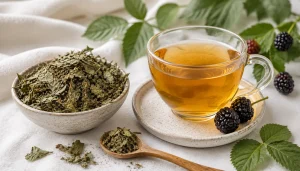
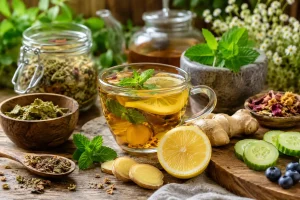
Chamomile Tea Recipe: Brew the Perfect Cup
Chamomile tea recipe enthusiasts know that the key to a perfect cup lies in the quality of the flower and the care you take during brewing. Chamomile is one of the most beloved herbs in the world, with a history stretching back thousands of years. In fact, ancient Egyptians dedicated it to their sun god and used it in ritual preparations. Today, it remains one of the most popular herbal teas sold in North America.
Furthermore, when you brew chamomile at home using whole or cut flowers, the result is far superior to any store-bought tea bag. This guide walks you through everything you need — ingredients, steps, timing, and flavor pairings — so you can enjoy the perfect cup every time.
What Is Chamomile and Why Does It Make Such Good Tea?
Chamomile refers to two closely related plants: Matricaria chamomilla (German chamomile) and Chamaemelum nobile (Roman chamomile). Most commercially available chamomile tea uses the German variety. The flowers are harvested at peak bloom, then dried to preserve their essential oils and delicate aroma.
The flavor is gently sweet, with notes of apple and honey. Additionally, the aroma is soft and floral, making it a pleasure to brew and sip. Herbalists have traditionally valued chamomile for its calming, soothing qualities — it is a staple in folk herbalism across Europe and the Americas.
For the best chamomile tea recipe results, whole dried flower heads deliver the most flavor and aroma. Organic whole chamomile flowers give you the most aromatic and visually beautiful brew. Alternatively, cut and sifted chamomile flowers release their flavor faster and work especially well if you prefer a shorter steep time.
Ingredients for a Classic Chamomile Tea Recipe
You need very few ingredients to make an excellent cup. Here is the basic list:
- 1–2 teaspoons of dried chamomile flowers per 8 oz of water
- 8 oz of filtered water, heated to 200°F (just below boiling)
- Optional: a small strip of lemon peel, a teaspoon of honey, or a sprig of fresh mint
The ratio matters. Too little chamomile produces a weak, watery infusion. Too much can introduce a slightly bitter edge from over-extraction. Therefore, start with one and a half teaspoons and adjust from there based on your preference.
Step-by-Step Brewing Instructions
Follow these steps for a consistently excellent result:
- Heat your water. Bring filtered water to just below boiling — around 200°F. Boiling water can slightly diminish the delicate aromatic compounds in chamomile flowers.
- Measure your chamomile. Use 1–2 teaspoons of dried flowers per 8-ounce cup. Place them in a tea strainer, infuser basket, or tea bag.
- Pour and steep. Pour hot water directly over the flowers. Cover the cup with a small plate or lid to trap the volatile aromatic compounds. Steep for 5–7 minutes.
- Remove and taste. Lift out the strainer. Taste the tea — if you want a stronger infusion, steep for up to 10 minutes. However, avoid going much longer, as over-steeping introduces a slightly bitter, grassy note.
- Add optional flavors. Stir in a drizzle of honey or a small squeeze of lemon if desired. Both enhance chamomile’s natural sweetness.
Flavor Pairings That Complement This Chamomile Tea Recipe
Chamomile is wonderfully versatile. Its mild sweetness and floral character make it an excellent base for herbal blends. Here are some combinations that work particularly well:
- Chamomile and lavender: A natural pairing. Organic lavender flowers add a floral, slightly earthy depth. Use about one part lavender to two parts chamomile to avoid overpowering the blend.
- Chamomile and peppermint: Peppermint leaf brightens chamomile’s softness with a cool, clean finish. This combination is popular in European herbal traditions.
- Chamomile and lemon peel: A simple twist of fresh lemon rind added during steeping brings a citrus note that pairs beautifully with chamomile’s apple-like quality.
- Chamomile and honey: Raw wildflower honey mirrors the natural sweetness of the flower. Stir in after steeping to preserve the honey’s beneficial enzymes.
Cold Brew Chamomile Tea
You can also make a cold brew version of this chamomile tea recipe, which produces a smoother, sweeter infusion with no bitterness. Add 3–4 teaspoons of dried chamomile flowers to a jar with 16 oz of cold filtered water. Cover and refrigerate for 8–12 hours. Strain and serve over ice. The cold extraction process is slow, but it is very forgiving — you are unlikely to over-steep.
Moreover, cold brew chamomile makes an excellent base for herbal lemonade. Add fresh lemon juice, honey, and a few lavender flowers for a beautiful summer drink.
How to Choose High-Quality Chamomile Flowers
Not all dried chamomile is equal. When buying chamomile for tea, look for the following signs of quality:
- Color: Fresh, well-dried chamomile flowers are bright yellow in the center with clean white petals. Brownish, dull flowers indicate age or poor storage.
- Aroma: Strong, distinctly apple-like scent. If the flowers smell faint or dusty, they have lost most of their essential oils.
- Organic certification: Chamomile is a delicate flower that absorbs pesticides readily. Always choose certified organic when possible.
- Cut vs. whole: Whole flowers are more fragrant and make a beautiful visual presentation. Cut and sifted versions are more economical and brew slightly faster.
Storing Dried Chamomile Flowers
Proper storage keeps your chamomile fresh and potent for up to a year. Store dried flowers in an airtight glass jar, away from direct sunlight, heat, and moisture. Avoid clear jars on countertops near windows, as light degrades the aromatic compounds quickly. A dark pantry shelf or cabinet is ideal.
Additionally, avoid storing chamomile near strongly scented spices. Dried herbs can absorb surrounding aromas over time, which can alter the flavor of your tea.
Safety and Usage Notes
Chamomile is considered safe for most adults when consumed as a tea in normal amounts. However, individuals with known allergies to plants in the Asteraceae family (ragweed, chrysanthemums, marigolds) should use caution, as cross-reactions are possible. If you are pregnant, nursing, or taking prescription medications, consult a qualified healthcare provider before adding herbal teas to your routine. This content is educational and does not constitute medical advice.
Frequently Asked Questions
How much chamomile should I use per cup?
A standard chamomile tea recipe calls for 1–2 teaspoons of dried flowers per 8 oz of water. Whole flowers are a bit lighter than cut and sifted, so you may use a full 2 teaspoons when using whole flowers. Adjust to taste after your first brew.
Can I reuse chamomile flowers for a second steep?
Chamomile flowers give up most of their flavor and aroma in the first steep. A second steep is possible but will produce a much lighter, thinner cup. For the best chamomile tea recipe results, use fresh flowers for each cup.
What is the best water temperature for chamomile tea?
Heat your water to around 200°F (93°C), which is just below a full boil. This temperature extracts the aromatic compounds without scorching the delicate petals. A rolling boil at 212°F can slightly diminish the floral notes.
Can I add chamomile to other herbal blends?
Absolutely. Chamomile blends beautifully with lavender, lemon balm, passionflower, linden, rose, and peppermint. It serves as an excellent base in herbal blends because its flavor is gentle enough not to overpower other ingredients.
Ready to start brewing? Explore our organic whole chamomile flowers and cut and sifted chamomile to find your preferred style and start crafting the perfect cup at home.