Butterfly Pea Flower Tea: The Color-Changing Brew You Need to Try
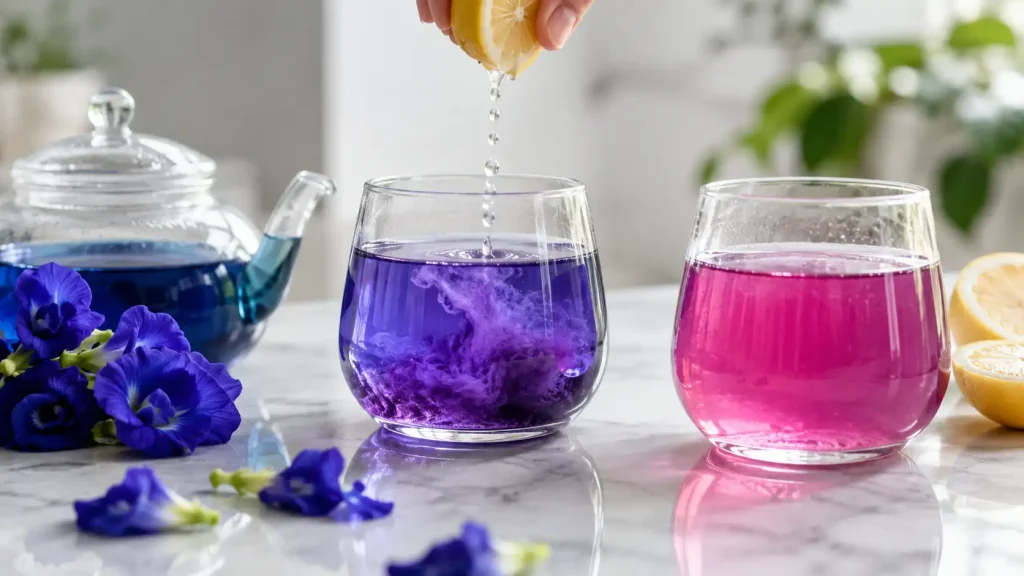
Butterfly pea flower tea is one of the most visually stunning beverages in the world of herbal infusions. Pour hot water over these vibrant blue flowers, and you get a deep indigo brew that looks almost too beautiful to drink. Then squeeze in a few drops of lemon juice and watch the magic happen — the tea transforms from blue to purple to pink right before your eyes. This natural color-changing phenomenon has captivated tea lovers, mixologists, and wellness enthusiasts across the globe, and for good reason.
Beyond its jaw-dropping appearance, this Southeast Asian botanical has a rich history in traditional herbalism. For centuries, practitioners in Ayurvedic and Thai traditions have turned to butterfly pea flowers for their potential wellness properties. Today, this remarkable flower is experiencing a well-deserved surge in popularity among modern herbalists and home brewers alike.
What Is Butterfly Pea Flower Tea?
Butterfly pea flower tea comes from the blossoms of Clitoria ternatea, a tropical vine native to Southeast Asia. The plant produces striking deep-blue flowers that locals have used for centuries in cooking, traditional medicine, and natural dyeing. In Thailand, the flower is known as “dok anchan” and plays a central role in both culinary and ceremonial traditions.
When you steep the dried flowers in hot water, they release vibrant blue pigments called anthocyanins. These same plant compounds give blueberries, purple cabbage, and red grapes their distinctive colors. However, what sets butterfly pea flowers apart is the intensity and purity of their blue hue — something rarely found in the natural world.
The tea itself has a mild, earthy flavor with subtle floral notes. Many people describe it as delicate and slightly woody, somewhat similar to a light green tea. Because the flavor is gentle rather than overpowering, butterfly pea flower tea works beautifully as a base for blended beverages and creative recipes.
The Science Behind the Color Change
The mesmerizing color transformation of butterfly pea flower tea is not magic — it is pure chemistry. Anthocyanins, the pigments responsible for the blue color, are pH-sensitive molecules. This means they change their molecular structure depending on whether their environment is acidic, neutral, or alkaline.
In neutral or slightly alkaline water, anthocyanins appear blue. When you add an acidic ingredient like lemon juice, lime juice, or hibiscus, the pH drops and the anthocyanins shift to a purple or pink hue. Conversely, if you add something alkaline like baking soda, the color moves toward green or yellow.
This pH sensitivity makes butterfly pea flower tea a fantastic educational tool as well. Parents and teachers often use it to demonstrate acid-base chemistry in a hands-on, visually engaging way. Moreover, it means you can create an entire rainbow of colors from a single botanical ingredient simply by adjusting what you add to it.
How to Brew the Perfect Cup
Brewing butterfly pea flower tea is straightforward, yet a few tips will help you get the most vivid color and best flavor from your flowers. Start with high-quality, wild-harvested butterfly pea flowers for the deepest blue and freshest taste.
Basic hot brew:
- Use 1 to 2 teaspoons of dried butterfly pea flowers per 8 ounces of water.
- Heat your water to about 200-210 degrees Fahrenheit (just below boiling).
- Steep for 5 to 7 minutes. The longer you steep, the deeper the blue color becomes.
- Strain the flowers and enjoy as-is, or add honey and a squeeze of citrus for the color change effect.
Iced version:
- Brew a concentrated batch using double the amount of flowers.
- Let it cool to room temperature, then pour over ice.
- The concentrated brew ensures the color stays vibrant even after dilution from melting ice.
For an extra dimension of flavor, consider blending your butterfly pea flowers with complementary herbs. A pinch of organic lemon myrtle adds a bright citrus note that pairs wonderfully with the floral base. Alternatively, a small amount of organic lavender creates a soothing, aromatic blend that is perfect for evening sipping.
Traditional Uses and Potential Benefits
In Ayurvedic tradition, butterfly pea flower has been used for centuries as a “medhya rasayana” — an herb traditionally believed to support cognitive function and mental clarity. Thai herbalists have similarly valued the flower for generations, incorporating it into tonics and remedies passed down through families.
Herbalists today continue to recommend butterfly pea flower for several traditional applications:
- Antioxidant support: The anthocyanins in butterfly pea flowers are potent antioxidants. Research has shown that these compounds may help neutralize free radicals in the body, though more human studies are needed.
- Cognitive wellness: Traditional practitioners have long associated butterfly pea flower with mental clarity. Some preliminary animal studies have explored its potential neuroprotective properties, though results should not be taken as medical advice.
- Stress and relaxation: Many tea drinkers report that the ritual of preparing this colorful brew promotes a sense of calm. In traditional Thai medicine, the flower has been used as a calming botanical.
- Skin and hair health: In Southeast Asian folk traditions, butterfly pea flower has been applied topically and consumed as a tea to support healthy skin and hair.
It is worth noting that while traditional use spans centuries, modern scientific research on butterfly pea flower is still in its early stages. The studies that do exist are promising, but most have been conducted in laboratory or animal settings rather than large-scale human trials.
Creative Recipes and Uses
One of the most exciting aspects of butterfly pea flower tea is its versatility in the kitchen. Because the flowers produce such a vivid natural blue dye with a mild flavor, they open up a world of creative possibilities.
Color-changing lemonade: Brew a strong batch of butterfly pea flower tea and let it cool. Fill a glass with ice and lemonade, then slowly pour the blue tea on top. As it mixes with the acidic lemon, it creates a gorgeous gradient of blue, purple, and pink.
Galaxy cocktails and mocktails: Mixologists have embraced butterfly pea flower tea as a natural way to create show-stopping drinks. Use the cooled tea as a base, add tonic water for fizz, and finish with a squeeze of lime for the color shift. You can also freeze the tea into ice cubes that slowly change the color of your drink as they melt.
Natural food coloring: Replace artificial blue food dye with concentrated butterfly pea flower tea in rice dishes, pasta dough, frosting, or baked goods. Thai sticky rice colored with butterfly pea flowers is a classic dish worth trying at home.
Layered drinks: Because the tea has a slightly different density than many juices and syrups, you can create beautiful layered drinks. Pour a syrup or juice first, then gently add the blue tea on top for a striking two-tone effect.
For an especially vibrant layered drink, try combining butterfly pea flower tea with a tart hibiscus infusion. The deep red of hibiscus and the vivid blue of butterfly pea create a stunning visual contrast while delivering a complex, fruity flavor profile.
Pairing Butterfly Pea Flower with Other Herbs
While butterfly pea flower tea shines on its own, blending it with other botanicals takes the experience to another level. The mild flavor of the flowers makes them an ideal canvas for bolder herbs and spices.
For a citrus-forward blend, combine butterfly pea flowers with lemon myrtle and a small amount of dried lemongrass. This combination delivers bright, zesty notes alongside the visual drama of the color change when you add a squeeze of fresh citrus.
For a calming evening blend, pair butterfly pea flowers with lavender and chamomile. The floral notes complement each other beautifully, and the ritual of watching the blue brew steep can itself become a meditative part of your wind-down routine.
For a tropical twist, steep butterfly pea flowers with a slice of fresh ginger and a stick of cinnamon. The warmth of the spices balances the delicate floral notes, creating a comforting brew that works well both hot and iced.
How to Store Your Butterfly Pea Flowers
Proper storage ensures your butterfly pea flowers retain their color potency and freshness for as long as possible. Keep dried flowers in an airtight container, away from direct sunlight and moisture. A dark pantry or cupboard works best.
When stored correctly, dried butterfly pea flowers typically maintain their quality for 12 to 18 months. You will know they are losing potency if the flowers appear faded or the brewed tea produces a less vibrant blue color. For the freshest experience, consider purchasing smaller quantities more frequently from a trusted source like the Hatton Naturals shop.
Safety and Precautions
Butterfly pea flower tea is generally considered safe for most adults when consumed in moderate amounts as a beverage. However, there are some important considerations to keep in mind. Pregnant or nursing women should consult a healthcare provider before consuming butterfly pea flower tea, as there is limited research on its safety during pregnancy. Additionally, individuals taking blood-thinning medications or those scheduled for surgery should speak with their doctor, as some traditional sources suggest the flower may have mild antiplatelet properties. As with any herbal product, this information is provided for educational purposes only and is not intended to diagnose, treat, cure, or prevent any disease. Always consult a qualified healthcare professional before adding new herbs to your routine.
Frequently Asked Questions
Does butterfly pea flower tea contain caffeine?
No, butterfly pea flower tea is naturally caffeine-free. This makes it an excellent choice for any time of day, including evenings when you want to avoid stimulants. You can enjoy it as a relaxing bedtime brew without worrying about disrupted sleep.
Why does butterfly pea flower tea change color?
The color change happens because of anthocyanins, which are pH-sensitive pigments in the flowers. When you add an acidic ingredient like lemon juice, the pH of the tea drops, causing the anthocyanins to shift from blue to purple or pink. It is a completely natural chemical reaction.
What does butterfly pea flower tea taste like?
The tea has a mild, earthy flavor with subtle floral and woody notes. Most people find it pleasant but delicate, which is why it blends so well with other ingredients. Adding honey, citrus, or complementary herbs enhances the flavor significantly.
Can I use butterfly pea flower tea as a natural food coloring?
Absolutely. Concentrated butterfly pea flower tea works as a natural blue food dye in rice, pasta, baked goods, frosting, and more. Because the flavor is so mild, it will not alter the taste of your food in any noticeable way.
How many cups of butterfly pea flower tea can I drink per day?
Most herbalists suggest that 2 to 3 cups per day is a reasonable amount for most adults. However, since individual tolerance varies, it is always a good idea to start with one cup and see how your body responds before increasing your intake.
Can I reuse butterfly pea flowers for a second steep?
Yes, you can steep butterfly pea flowers a second time, though the color will be noticeably lighter and the flavor milder. For the most vibrant results, use fresh flowers for each brew. If you do re-steep, try extending the steeping time by a few minutes.
Is butterfly pea flower tea safe for children?
While butterfly pea flower tea is caffeine-free and generally considered mild, there is limited research on its use in children. If you want to offer it to a child, consult a pediatrician first and start with a very diluted amount.
Where does the butterfly pea flower grow?
The butterfly pea vine (Clitoria ternatea) is native to tropical regions of Southeast Asia, including Thailand, Malaysia, and Indonesia. It has since spread to tropical and subtropical regions around the world. The plant thrives in warm climates with plenty of sunlight and well-drained soil.