Burdock Root for Tea and Daily Blends
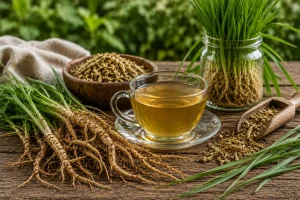
Burdock root brings a grounded, gently earthy character that gives herbal blends more depth without making them feel heavy. In the cup, burdock root is usually smooth rather than sharp, with a mild woodsy sweetness, a faint roasted impression when brewed longer, and a broad, rounded finish that tea makers often use to support lighter aromatics. If you work with roots, peels, flowers, and leaves, it is one of those ingredients that can quietly hold a blend together. It does not need much drama around it. It simply gives structure, body, and a calm rustic note that feels at home in everyday tea.
For small-batch makers, it is also practical. Cut and sifted pieces are easy to portion, easy to test, and easy to combine with both delicate and bold botanicals. Burdock works especially well in blends meant for steady daily drinking because it layers flavor instead of dominating it. It can sit beneath mint, soften the edges of roasted roots, and give herbal infusions a fuller middle. For a simple base ingredient with a tea-friendly profile, burdock root cut and sifted is a strong place to begin.
What it tastes like in the cup
The first thing many people notice is texture. Burdock does not usually flash across the palate. It builds slowly. There is a dry earthiness, but not the dusty kind. Think of fresh-cut wood, clean soil after rain, and the mild sweetness of a root that has been dried carefully rather than over-processed.
In shorter infusions, the flavor is cleaner and a little lighter. In longer steeps or gentle decoctions, the cup becomes rounder and more settled, with a fuller body and a soft roasted edge. That makes it flexible. You can use it to add weight to leafy blends, or you can let it lead in a root-forward formula.
For beverage makers, this matters because flavor architecture matters. Some herbs give top notes. Some give brightness. Some give perfume. Burdock gives the middle and lower register. It is one of those ingredients that makes a blend feel complete.
How burdock root behaves in tea
In production-minded blending, burdock root is useful because it behaves predictably. It hydrates well, releases flavor steadily, and does not usually throw the balance off with bitterness when the brew runs a little long. That makes it forgiving in a home kitchen and efficient in a small tea workshop.
It performs best when treated like a root rather than a leaf. A covered steep works well, but a short simmer or low decoction often gives a more generous cup. If your blend includes both roots and delicate flowers, you can split the process: brew the roots first, then pour that hot liquid over the softer ingredients for the final infusion. This preserves aroma while still drawing out the heavier base notes.
For makers building house blends, burdock is often most effective at moderate percentages. It does not need to be the loudest ingredient to be noticed. Sometimes 20 to 35 percent of a blend is enough to change the whole shape of the cup.
Brew ratios and exact measurements
When using burdock root on its own, start with these reliable ratios:
Single-cup infusion
4 to 5 grams dried cut and sifted root
About 2 to 2 1/2 teaspoons
240 ml to 300 ml water
Water temperature: 95 to 100°C
Time: 10 to 15 minutes covered
Stronger root-style brew
8 grams root
About 4 teaspoons
500 ml water
Gentle simmer for 12 minutes, then cover and rest 5 minutes
Small-batch daily blend base
30 grams total dry blend
12 grams burdock
8 grams dandelion root
4 grams ginger
3 grams tulsi
3 grams spearmint
For this 30-gram batch, one serving is 5 grams total blend, or roughly 2 1/2 teaspoons depending on cut size, to 300 ml hot water. Steep 12 minutes covered.
If you want a darker, more root-driven cup, add dandelion root cut and sifted. If you want warmth without too much spice, add ginger root cut and sifted in small amounts and build from there.
Best pairings for daily blends
 The easiest way to use burdock root is to think in layers. It pairs well with ingredients that either lift it, warm it, or soften it.
Leaves and aerial herbs bring contrast. Tulsi gives aromatic lift and a dry spicy edge that keeps root-heavy formulas from feeling dull. Spearmint brightens the finish and makes the cup feel more open. If you want that effect, try tulsi leaves cut and sifted for a fragrant top note, or use spearmint leaf cut and sifted when the blend needs freshness.
Other roots create a darker, steadier profile. Dandelion root adds roast and depth. Ginger adds warmth and movement. A little licorice can round bitterness and add natural sweetness, though it should be used with restraint so it does not flatten the more subtle tones. For a smoother finish, a small amount of licorice root cut and sifted can help knit the blend together.
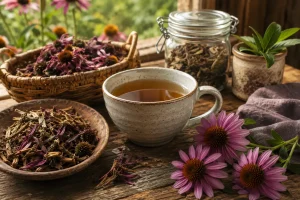
Barks and flowers can be used as accents. Cinnamon gives warmth and bakery-like familiarity. Chamomile can soften the rustic edge and bring a mellow floral apple note. For that softer profile, add cinnamon chips in tiny pieces for warmth, or balance the formula with whole chamomile flowers when you want a gentler evening-style cup.
A practical daily blend formula for tea makers
 A dependable daily blend should be easy to portion, easy to scale, and pleasant enough to drink often without fatigue. That is where burdock root shines. It gives continuity from batch to batch.
Try this balanced formula for a 100-gram test batch:
35 g burdock root c/s
25 g dandelion root c/s
12 g ginger root c/s
10 g tulsi leaves c/s
10 g spearmint leaf c/s
5 g chamomile flowers
3 g cinnamon chips
Mix thoroughly in a dry bowl or stainless vessel, lifting from the bottom so the heavier roots do not settle. Store in an airtight jar for 24 hours before final tasting so the aroma settles into a more unified profile.
Brew 6 grams of the blend in 350 ml near-boiling water for 12 minutes covered. Taste it hot, then again as it cools. Good blends often reveal their real shape at the second tasting. If you want more brightness, raise mint slightly. If you want more body, raise burdock or dandelion. If you want more warmth, increase ginger by 1 to 2 grams per 100 grams of blend.
Troubleshooting
When burdock root is part of a blend, problems are usually easy to correct if you know where the imbalance is coming from.
Flat flavor
Increase steep time first. Roots often need more contact time. If the cup still feels dull, raise ginger or tulsi slightly to create lift.
Too tart
This is usually caused by companion ingredients rather than the root itself. Reduce sour or fruity elements and rebalance with more burdock, dandelion, or chamomile.
Over-carbonation
If you are using the infusion as a base for a sparkling herbal beverage or second fermentation project, reduce sugar, bottle a little earlier, and chill sooner. Burdock itself is not the cause, but dense herbal brews can make flavor seem stronger in carbonated formats.
Sediment
Use a finer strainer or line your filter basket with unbleached paper. Root blends naturally shed small particles, especially when handled repeatedly.
Aroma loss
Keep volatile herbs separate during testing. Brew the roots first, then add mint or flowers for the last few minutes. This often preserves the more delicate aromatic layer.
Storage + Quality
Good burdock root should look dry, clean, and naturally varied, not gray, dusty, or stale-smelling. The pieces should have a mild earthy scent with a faint sweetness. If the aroma is flat or the color looks lifeless, the material may be old or poorly stored.
Keep it in an airtight container away from direct light, heat, and humidity. Roots are sturdy, but they still lose character when left exposed. For tea makers working through larger volumes, divide stock into smaller working jars so the main supply stays sealed.
Color and scent are your best quality cues. Fresh root material usually shows warm tan to brown tones and a clean, woody aroma. If it smells musty, soft, or oddly sour, do not use it. A dry environment matters. Humidity dulls flavor and encourages clumping, which makes accurate portioning harder.
Safety
Burdock is widely used in herbal tea traditions, but safe presentation matters. Keep your language practical and compliant. Speak about flavor, process, and traditional use rather than medical promises.
When formulating products or writing product copy, it is better to say that herbalists often use root-based blends for depth, warmth, and daily enjoyment. Avoid disease language or specific treatment claims. If you are making a customer-facing blend, list all ingredients clearly and keep instructions simple. For anyone introducing a new herb into their routine, a cautious first cup is a sensible approach.
Closing thoughts
For tea makers who enjoy building depth without heaviness, burdock root is one of the most useful roots on the shelf. It is earthy, calm, and adaptable. It gives body to everyday infusions, supports aromatic herbs without covering them, and scales well from kitchen tests to small production runs. Used with care, it can turn a simple blend into something steadier, rounder, and more memorable.
FAQ
Is burdock root better as an infusion or a decoction?
Both work, but roots usually give more body with a short decoction or a longer covered steep.
What does burdock root taste like?
It tastes earthy, mild, slightly woody, and softly sweet, with a rounded finish.
Can I blend burdock root with mint?
Yes. Mint brightens the cup and helps open the heavier root notes.
Does burdock root pair well with dandelion root?
Yes. They make a classic root-style pairing with depth and a gently roasted character.
How much should I use per cup?
A practical starting point is 4 to 5 grams, or about 2 to 2 1/2 teaspoons, per 240 to 300 ml water.
Why does my brew taste weak?
The cut size may be large, or the steep may be too short. Increase time before increasing quantity.
How should I store dried burdock root?
Keep it airtight, dry, and away from light, heat, and humidity.
Can I use burdock root in a daily blend?
Yes. Burdock root works especially well in steady daily blends because it adds body without pushing too hard on the palate.